Milestone

Mary Tang Joins the Clinical Decision Technology Laboratory!
Mary Tang joins us from the Massachusetts Institute of Technology as our new Clinical Research Coordinator! Mary will be supporting the APPRAISE clinical trial.

Our lab specializes in analysis of temporal data, development of clinical software, and clinical trials. One central question underlies our work: How can new technology enable emergency care that is safer, more effective, and more efficient?
For our recent publications, please see
Dr. Reisner’s PubMed Bibliography.
Trauma is a leading cause of death in young adults. Our team has studied hundreds of trauma patients to characterize patterns of vital-sign abnormalities caused by life-threatening hemorrhage (i.e., bleeding); developed “artificial intelligence” software to automatically identify patients with life-threatening hemorrhage (the software was successfully tested on-board Boston MedFlight); and developed computer simulations to understand how dehydration hurts patients with hemorrhage.
Circulatory shock is a life-threatening condition involving poor blood circulation, often treated in an ICU with powerful medications to maintain safe blood pressure. We have developed techniques to predict when critically ill patients will develop worse blood pressure; and when they require a change in medication dosage. Starting 2025 our team has started a number of hypertension projects -stay tuned for more info.

After acute spinal cord injury, patients better recover neurological function if blood pressure is maintained within specific ranges. But blood pressure varies through time and frequently falls out of the goal range. Our lab developed the VIGORIS software system which uses artificial intelligence to guide ideal blood pressure management, and we are conducting clinical trials, funded by the Massachusetts Spinal Cord Injury Cure Research Program.
Sepsis is a leading cause of death in US hospitals. Our team developed a sepsis management protocol that significantly reduced antibiotic delays at MGH; addressed a serious risk that is inherent in too many automated sepsis detection algorithms; and developed a novel methodology to interpret sepsis data with improved validity.
Mary Tang joins us from the Massachusetts Institute of Technology as our new Clinical Research Coordinator! Mary will be supporting the APPRAISE clinical trial.
Our team presented new findings on factors influencing blood pressure control during clevidipine infusion in ICU patients. Results show that faster dose titration and fewer failed weaning attempts are strongly associated with improved blood pressure control. These insights highlight actionable strategies for optimizing hypertension management in critical care. Download Presentation Here

We are excited to announce a new sponsored research agreement with Chiesi Farmaceutici to study how to optimize hypertension management in critically ill patients. This partnership enables us to expand our clinical research with industry support.

Our team co-authored a new report describing a predictive model that begins with a population-level approach and dynamically transitions to a personalized model as patient-specific data becomes available. This adaptive framework enables more accurate, individualized predictions over time, with potential to improve clinical decision-making. Thanks to Prof. Jin-Oh Hahn and Richard Kao for leading this effort! Click here to read the article.

After collecting sufficient encouraging pilot data, and providing extensive documentation of safety testing, our team received approval from the US FDA to expand enrollment for the APPRAISE Trauma System. Read more about this trial here.
Our team co-authored a publication in New England Journal of Medicine (NEJM) AI detailing the development and FDA clearance of APPRAISE-HRI, an AI-enabled clinical decision support tool for assessing hemorrhage risk in trauma patients. This work represents a major milestone as one of the first FDA-cleared AI software systems for real-time risk stratification in acute care. The algorithm leverages vital sign data to help clinicians rapidly identify patients in need of urgent intervention.
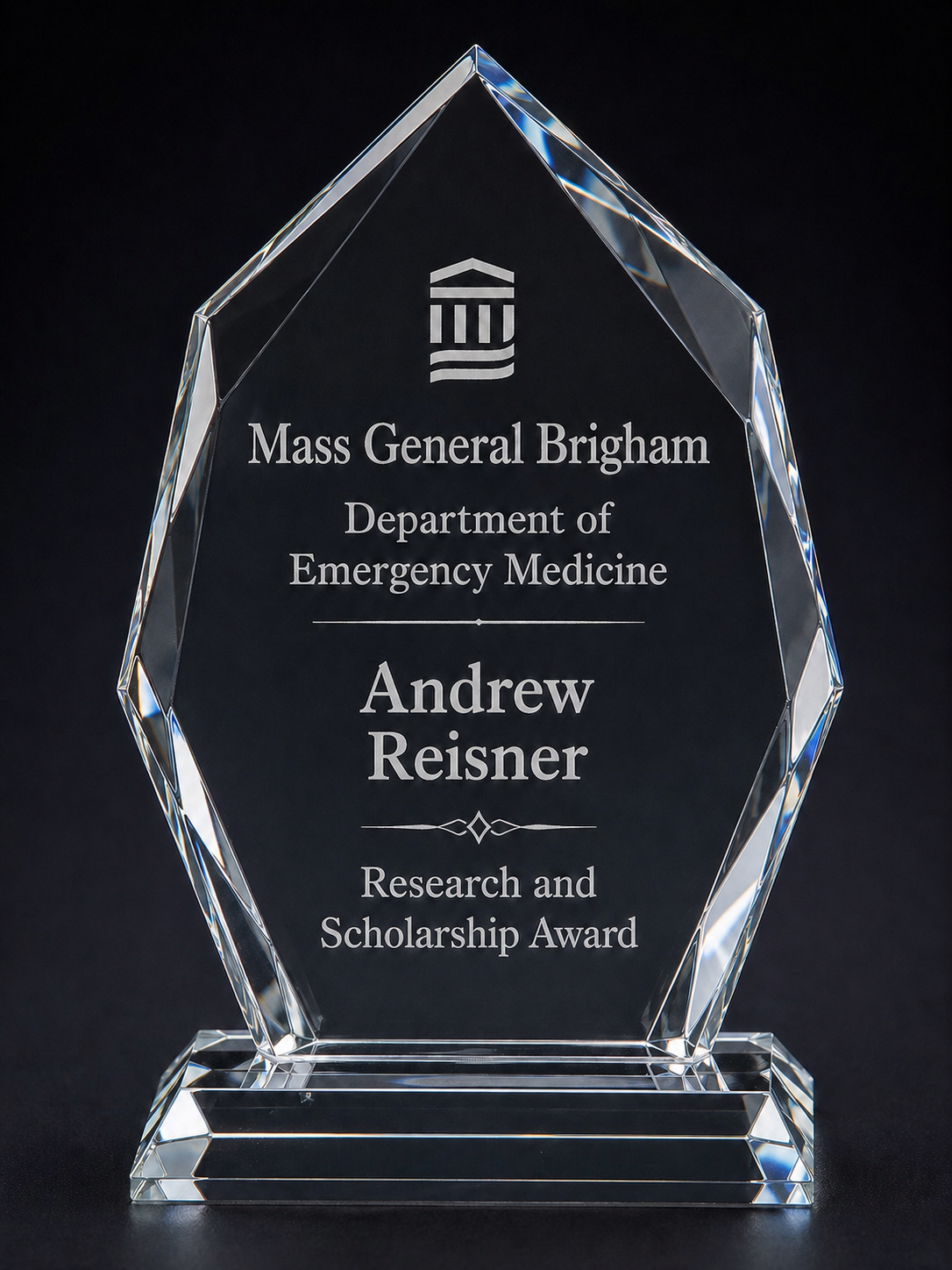
Dr. Andrew Reisner received the Carlos A. Camargo Jr. Research and Scholarship Award from the Department of Emergency Medicine at Massachusetts General Brigham in recognition of his outstanding research contributions.
Our team presented a neurocritical care study examining how clevidipine dosing strategies impact time-to-target blood pressure. We found that faster titration was strongly associated with significantly shorter time to reach goal blood pressure. These findings highlight the importance of rapid dose adjustment in optimizing hypertension management in neurocritical ICU patients. Download Poster Here
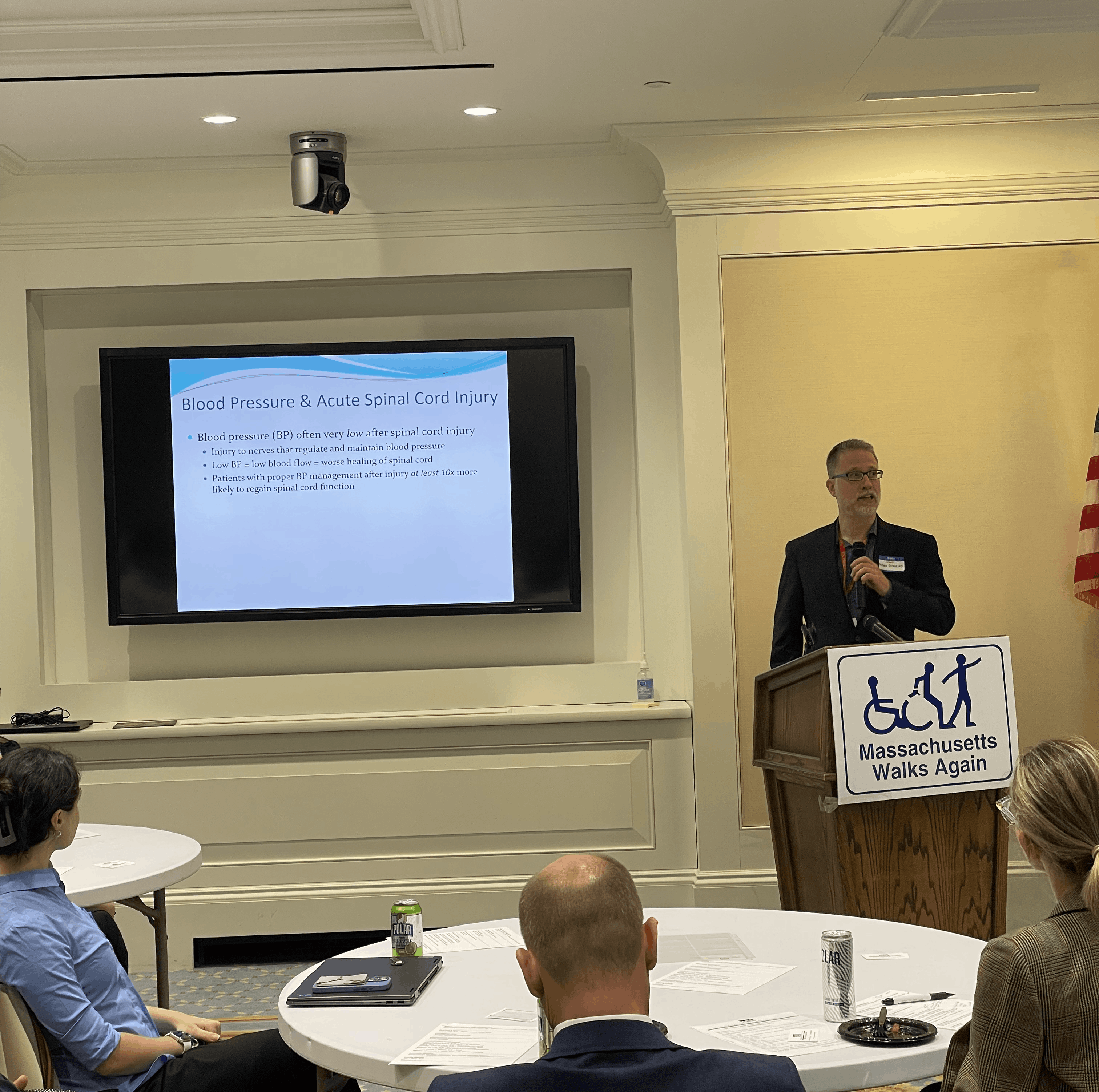
Spinal Cord Injury (SCI) Awareness Day took place at the Massachusetts State House. We were invited to present our work on the VIGORIS System, for tight blood pressure management after SCI. This research was funded by the Massachusetts SCI Trust Fund, which receives the fines paid by drivers convicted for operating under the influence. Thanks to Dr. Eric Ruby and the Massachusetts Department of Public Health for supporting our work!
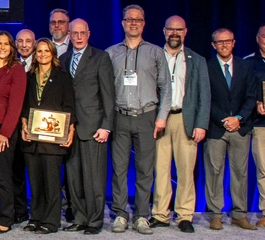
At the 2025 Military Health System Research Symposium, CDTL Director Andrew Reisner was a co-recipient of a team award for “Outstanding Research Accomplishment.” Thanks to Dr. Jaques Reifman for leading this team!

Our Clinical Research Coordinator, Ian Shogren, completed the 129th Boston Marathon, running on behalf of Massachusetts General Hospital.
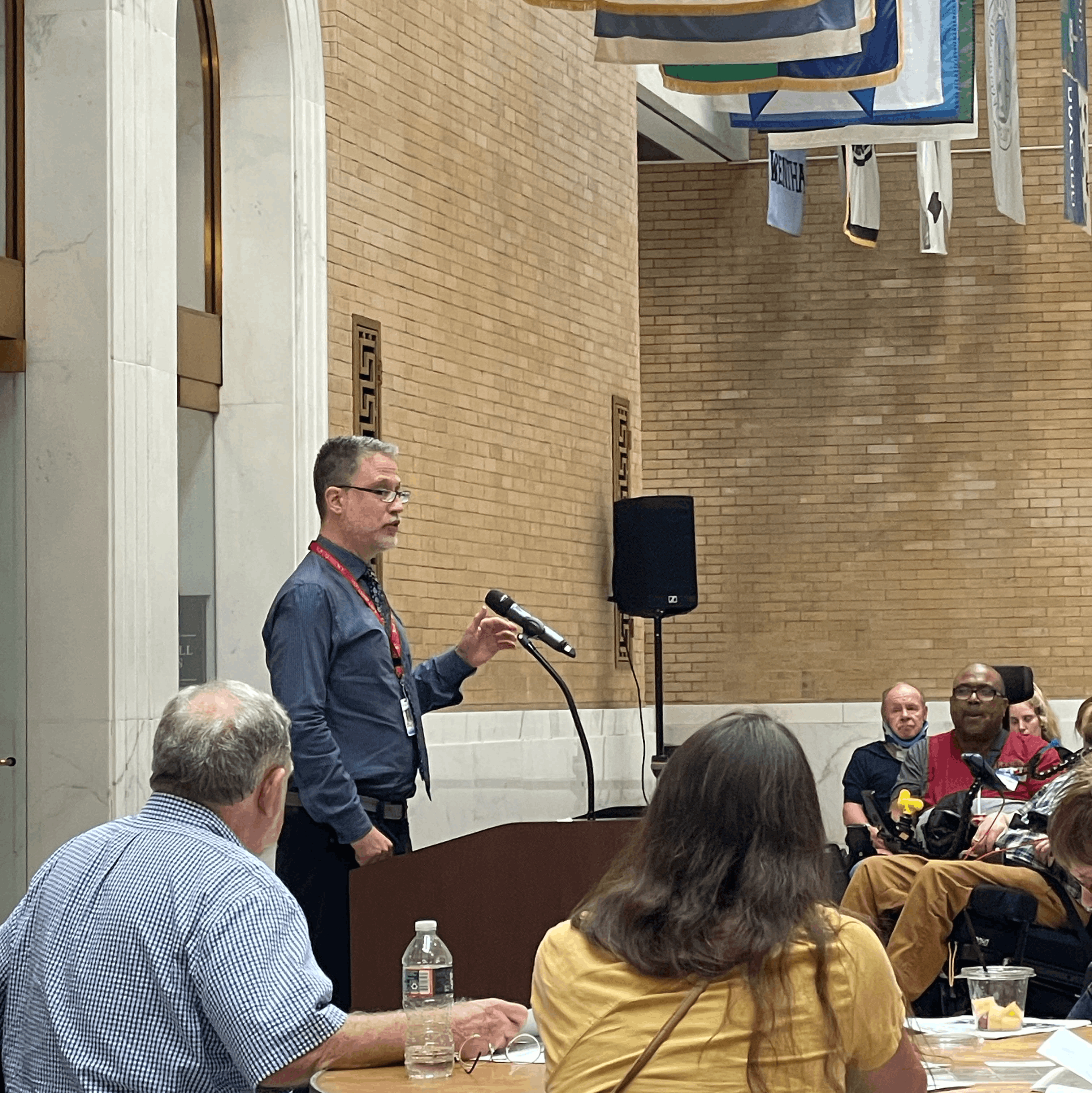
Dr. Reisner presents our spinal cord injury blood pressure management research at the Massachusetts State House, on Spinal Cord Injury Awareness Day 2024.
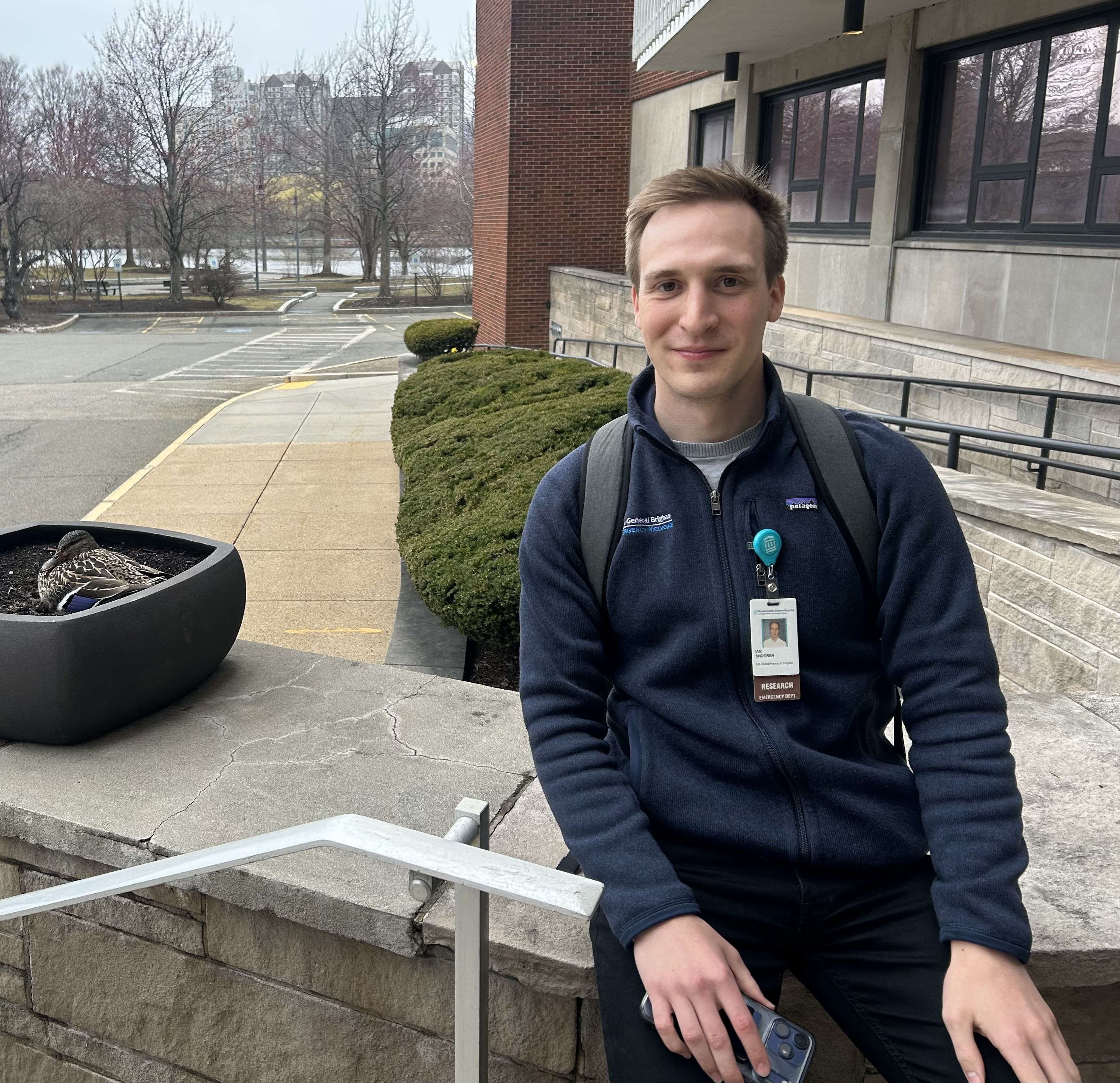
Ian joins us from the University of Richmond as our new Clinical Research Coordinator! Ian will be supporting the APPRAISE trial.

APPRAISE, our ongoing trauma decision support clinical trial, has successfully enrolled its first patient in the MGH Emergency Department!
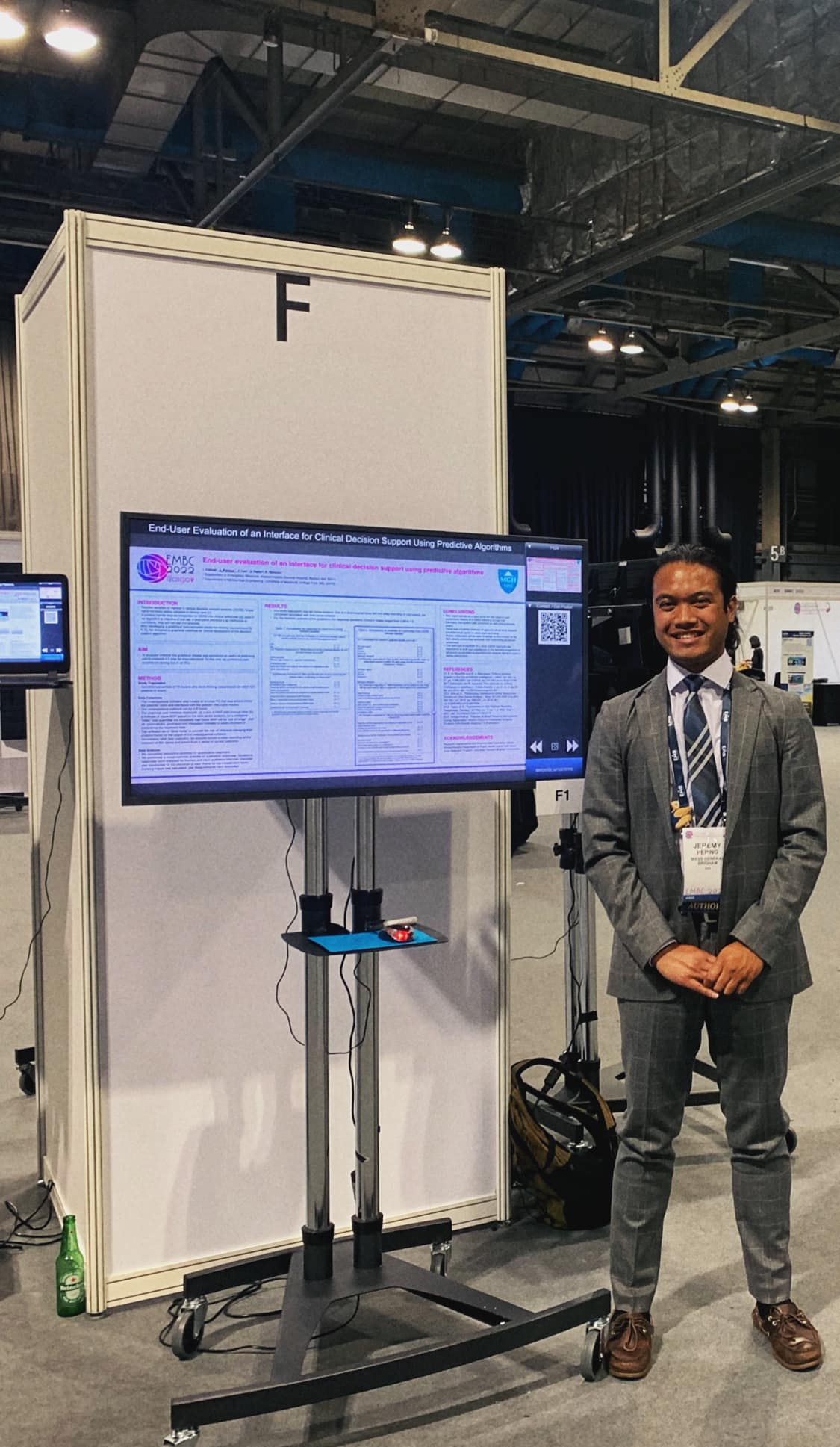
Jeremy was a session speaker at EMBC 2022 in Glasgow, Scotland. He presented the lab's research on evaluating clinical decision support interfaces as well as an application of trend analysis towards prediction of hypertensive events.
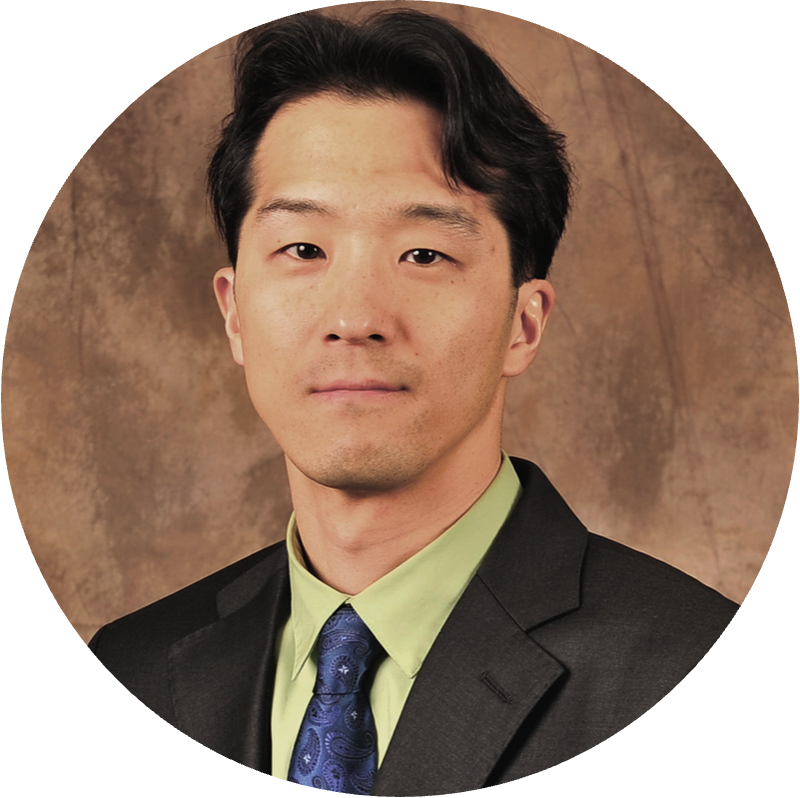
Associate Professor, Department of Mechanical Engineering, University of Maryland
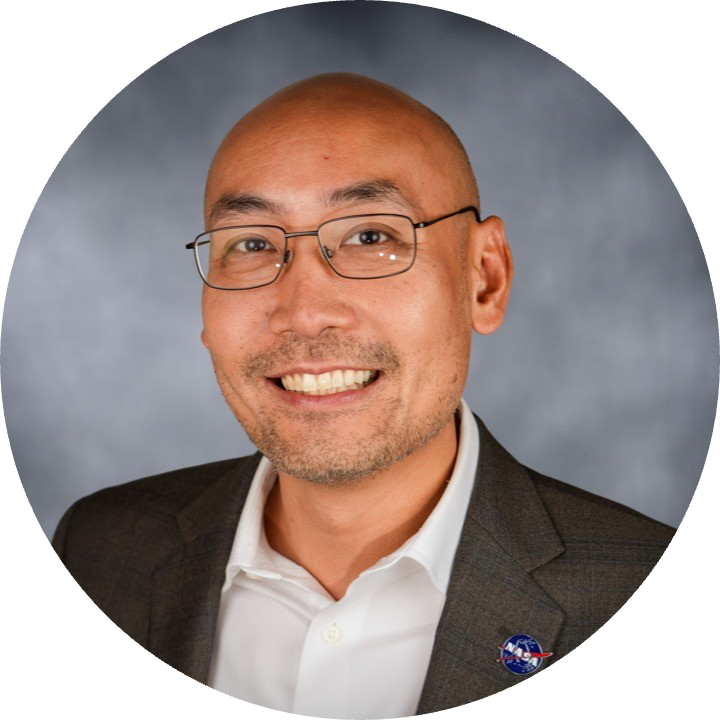
Medical Director, Blake 12 Intensive Care Unit, Massachusetts General Hospital; Associate Professor, Harvard Medical School

Adult Critical Care Medicine | Trauma Surgery | Acute Care Surgery; Trauma, Emergency Surgery,
and Surgical Critical Care

Co-Director, Center for Neurologic Emergencies, Massachusetts General Hospital; Professor, Harvard Medical School
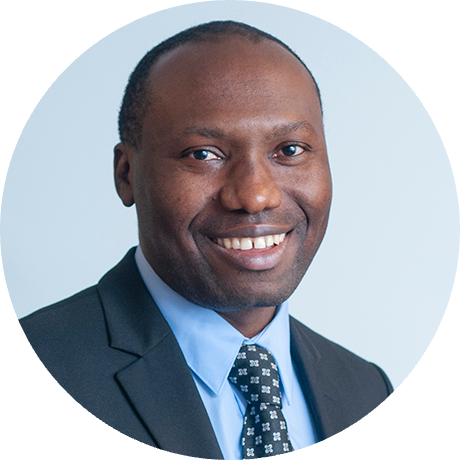
Trauma and Acute Care Surgeon & Surgical Intensivist, Massachusetts General Hospital; Assistant Professor of Surgery, Harvard Medical School
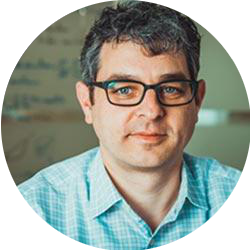
Director, Integrative Neuromonitoring and Critical Care Informatics Group; Associate Professor, Department of Electrical and Biomedical Engineering, Massachusetts Institute of Technology

Lab Director
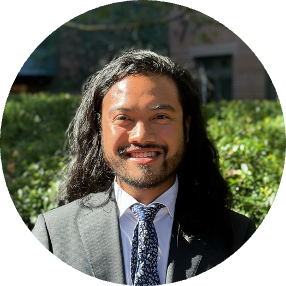
Senior Software Engineer

Senior Software Engineer

Clinical Research Coordinator